Do you Need a Lawyer for a Collaborative Divorce?
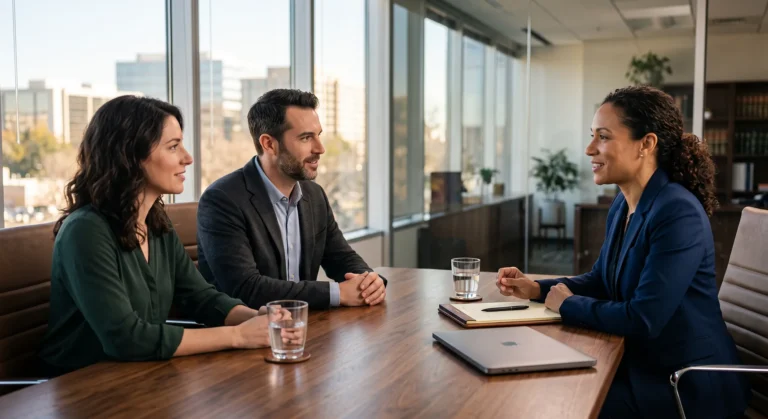
If you and your spouse want to avoid a drawn-out court battle, collaborative divorce may offer a more respectful way to separate. However, collaborative divorce is still a legal process, and it can affect your property, finances, parenting time, child support, and long-term rights.
In a formal collaborative divorce process in Illinois, each spouse works with their own collaborative divorce lawyer. The spouses and their attorneys sign a participation agreement confirming that they intend to resolve the matter through the collaborative process. If the process fails, the collaborative lawyers and their law firms generally must withdraw from the case.
Conniff & Keleher, LLC helps clients in Chicago, Oak Park, and the surrounding area determine whether collaborative divorce is the right approach and how to protect their interests throughout the process.
Quick Answer: Do You Need a Lawyer for Collaborative Divorce?
- If you are using the formal collaborative divorce process in Illinois, each spouse works with their own collaborative divorce lawyer.
- A collaborative divorce lawyer provides legal advice, protects your interests, and helps negotiate the final agreement.
- One lawyer cannot represent both spouses in a divorce.
- Collaborative divorce is different from mediation because each spouse has separate legal counsel.
- If the collaborative process fails, the collaborative lawyers generally cannot represent the spouses in litigation.
- Collaborative divorce may be a good fit for spouses who want privacy, cooperation, and a structured alternative to court.
- It may not be the right option when there are hidden assets, coercion, domestic violence concerns, or one spouse refuses to negotiate in good faith.
How Does the Collaborative Process Work?
In a traditional divorce, attorneys may prepare for hearings, motions, discovery, and trial. In a collaborative divorce, both spouses and their lawyers agree to focus on settlement outside of court.
The collaborative divorce process usually includes:
1. Each Spouse Hires a Collaborative Divorce Lawyer
Each spouse has their own attorney. This is important because divorce involves legal rights and obligations that should be reviewed independently.
2. Both Spouses Sign a Participation Agreement
The spouses sign a written agreement confirming that they intend to resolve the divorce through the dissolution of marriage process collaboratively. The agreement also explains that the collaborative lawyers and law firms must withdraw if the process fails.
3. The Spouses Exchange Information
Collaborative divorce depends on open and honest disclosure. Both spouses are expected to share relevant financial, parenting, and legal information so they can make informed decisions.
4. The Team Works Toward Settlement
The spouses, their attorneys, and any necessary professionals meet to resolve divorce-related issues. This may include property division, parenting time, child support, maintenance, or other family law matters.
5. The Agreement Is Finalized in Court
If the spouses reach an agreement, the terms are usually incorporated into the final divorce judgment for court approval.
What Does a Collaborative Divorce Lawyer Do?
A collaborative divorce lawyer helps you understand your rights, evaluate your options, and negotiate a divorce agreement without taking an adversarial approach.
A collaborative divorce attorney may help with:
- Explaining Illinois divorce law
- Reviewing financial disclosures
- Identifying marital and non-marital property
- Negotiating property division
- Addressing parenting time and decision-making responsibilities
- Calculating or reviewing child support
- Evaluating spousal maintenance
- Working with financial neutrals or other professionals
- Drafting or reviewing the final divorce agreement
- Helping you avoid terms that could create future disputes
The goal is not to “win” against the other spouse. The goal is to protect your interests while working toward a practical, legally sound agreement.
Can One Lawyer Represent Both Spouses?
No. One lawyer cannot represent both spouses in a divorce. Even when spouses agree on many issues, each person has separate legal interests.
A collaborative divorce lawyer represents one spouse. The other spouse should have their own attorney so they can receive independent legal advice. This helps make the process more balanced and reduces the risk of misunderstanding or unfair terms.
If you and your spouse want a neutral professional to help both sides communicate, divorce mediation may also be worth considering. However, a mediator does not represent either spouse and does not replace the role of independent legal counsel.
Collaborative Divorce Lawyer vs. Divorce Mediator
Collaborative divorce and mediation are both out-of-court options, but they work differently.
| Option | How It Works | Key Difference |
|---|---|---|
| Collaborative Divorce | Each spouse has their own collaborative divorce lawyer. The spouses and attorneys work together to reach a settlement. | Each spouse receives independent legal advice during the process. |
| Mediation | A neutral mediator helps the spouses discuss and resolve disputed issues. | The mediator does not represent either spouse. |
| Litigation | Each spouse has an attorney, and unresolved issues may be decided by a judge. | The process is more court-driven and may involve hearings, motions, and trial preparation. |
Collaborative divorce may be a good middle ground for spouses who want the structure and protection of legal representation without the conflict of traditional litigation.
What Happens With a Disagreement?
Disagreements can happen during collaborative divorce. The difference is that the spouses and their attorneys agree to address conflict through discussion, problem-solving, and negotiation instead of immediately moving into litigation.
If the spouses cannot reach an agreement, the collaborative process may end. When that happens, the collaborative lawyers and their law firms must stop representing the spouses in the divorce litigation. Each spouse may then need to hire a new attorney if the case moves to court.
This structure encourages everyone involved to stay focused on settlement. It also means spouses should carefully consider whether they are ready to participate in the process before signing a collaborative agreement.
Is Collaborative Divorce Right for You?
Collaborative divorce may be a strong option if you and your spouse want to resolve the divorce respectfully and avoid unnecessary court conflict.
It may be a good fit if both spouses are willing to:
- Share financial information honestly
- Communicate respectfully
- Work toward a fair agreement
- Focus on the children’s best interests
- Use neutral professionals when needed
- Avoid using court as the first option
- Commit to settlement-focused negotiations
Collaborative divorce may not be appropriate if one spouse is hiding assets, refusing to disclose information, using intimidation, or unwilling to negotiate in good faith. It may also be less suitable when urgent court intervention is needed.
What Issues Can a Collaborative Divorce Lawyer Help Resolve?
A collaborative divorce lawyer can help resolve many of the same issues addressed in traditional divorce litigation, including:
- Division of marital property
- Real estate and home equity
- Retirement accounts
- Business interests
- Spousal maintenance
- Child support
- Parenting time
- Parental decision-making responsibilities
- Tax considerations
- High net worth asset issues
- Future co-parenting expectations
Because collaborative divorce is built around cooperation, it can be especially helpful for spouses who will need to maintain a working relationship after divorce, particularly when children are involved.
Set Up a Consultation With Conniff & Keleher
The world of divorce does not have to be a new kind of heartbreak when spouses are able to work through the process respectfully. Collaborative divorce may help reduce conflict, protect privacy, and give both spouses more control over the outcome.
Conniff & Keleher, LLC helps clients in Chicago, Oak Park, and the surrounding area evaluate whether collaborative divorce is the right path. Our family law attorneys can explain your options, help you understand your rights, and guide you through a process focused on resolution rather than unnecessary conflict.
Contact us today to schedule a confidential consultation.
Frequently Asked Questions About Collaborative Divorce Lawyers in Illinois
Do I need a lawyer for collaborative divorce in Illinois?
Yes, if you are using the formal collaborative divorce process, each spouse works with their own collaborative divorce lawyer. The lawyer provides legal advice, helps negotiate the agreement, and protects that spouse’s interests throughout the process.
Can one lawyer handle a collaborative divorce for both spouses?
No. One lawyer cannot represent both spouses in a divorce. Each spouse should have separate legal counsel to make sure their individual rights and obligations are understood.
What does a collaborative divorce attorney do?
A collaborative divorce attorney helps explain the law, review financial information, negotiate settlement terms, address parenting and support issues, and prepare the final agreement for court approval.
Is collaborative divorce the same as mediation?
No. Mediation uses one neutral mediator who helps the spouses communicate and negotiate. Collaborative divorce gives each spouse their own attorney and may also include financial neutrals, child specialists, or divorce coaches.
What happens if collaborative divorce does not work?
If the collaborative process fails, the collaborative lawyers must withdraw. The spouses may need to hire new attorneys if the case moves into traditional litigation.
Is collaborative divorce less stressful than litigation?
It can be. Collaborative divorce is designed to reduce conflict and keep spouses focused on settlement. However, it still requires honest disclosure, preparation, respectful communication, and a willingness to negotiate.
Is collaborative divorce cheaper than litigation?
Collaborative divorce may cost less than litigation if the spouses resolve issues efficiently and avoid repeated court appearances. The total cost depends on the complexity of the case, the professionals involved, and the level of disagreement.
When is collaborative divorce not a good idea?
Collaborative divorce is not the right fit when there are hidden assets, domestic violence concerns, coercion, serious power imbalances, or one spouse is unwilling to negotiate respectfully and honestly.
Can collaborative divorce address child custody and support?
Yes. Collaborative divorce can address parenting time, decision-making responsibilities, child support, and related parenting issues as part of the final agreement.
Can collaborative divorce handle complex finances?
Yes. Collaborative divorce can address complex financial matters, including business interests, retirement assets, property division, and maintenance. Financial professionals may be included when needed.
Considering Collaborative Divorce? Talk to Our Attorneys
Every collaborative divorce is different. We can help you decide whether this process fits your situation and what to expect if you move forward.
Contact Conniff & Keleher, LLC